Why Are There Tiny Spirit Houses Everywhere in Thailand?
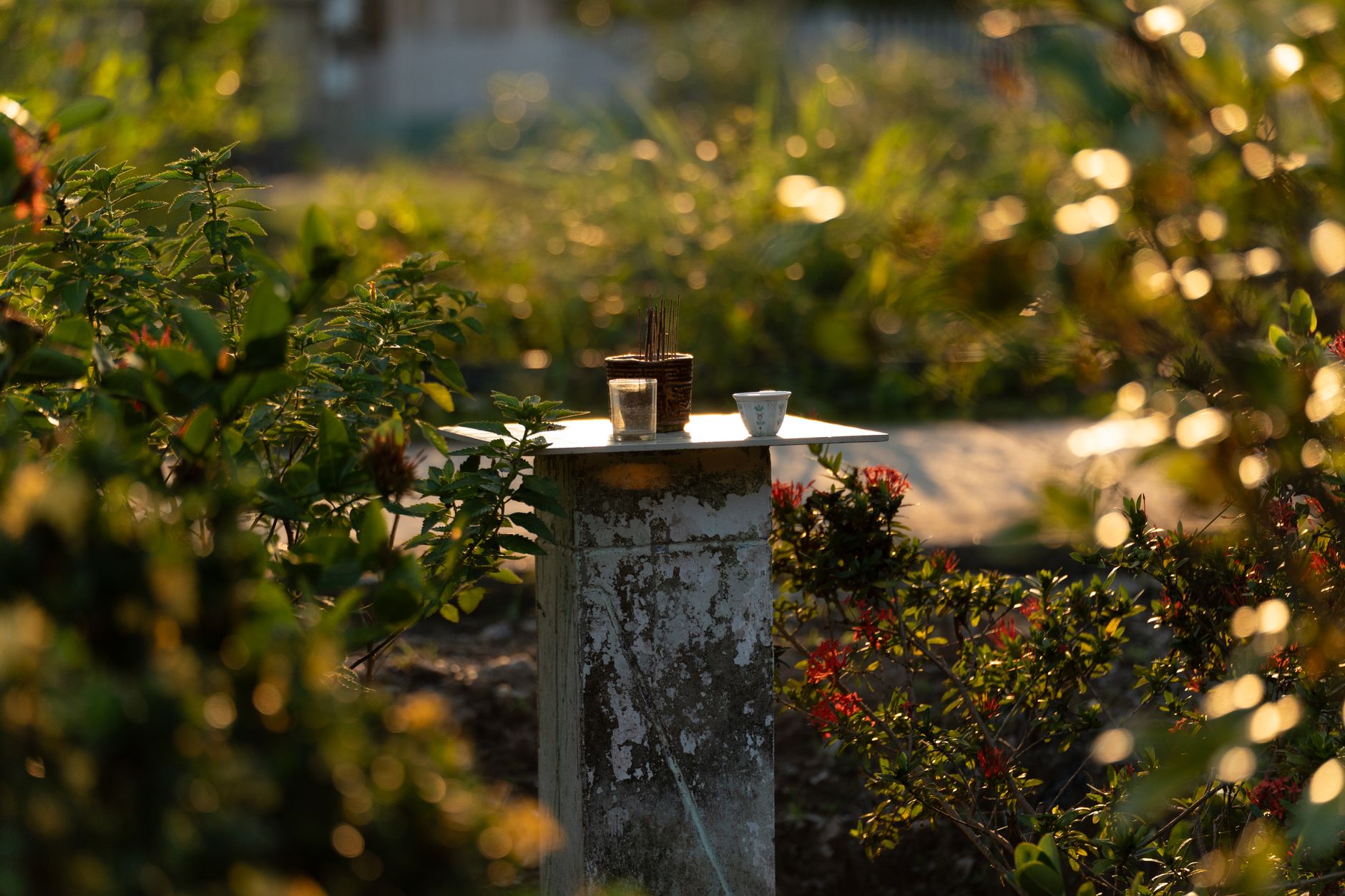
Spend one morning walking in Thailand and you'll notice them: miniature houses, often brightly painted and roughly the size of a dollhouse, perched on pedestals outside homes, 7-Elevens, bank towers, noodle stalls and five-star hotels. Many hold fresh marigold garlands, sticks of incense, a bowl of rice — and, very often, an opened bottle of red strawberry soda with a straw in it. They are spirit houses, and the short answer to why they're everywhere is this: in Thai belief, every piece of land already has a resident spirit, and when people build on that land, the spirit needs somewhere to live.
A home for the spirit of the land
The belief behind spirit houses is older than Buddhism in Thailand. Long before Theravada Buddhism arrived, the region's animist traditions held that the world is full of phi — spirits — attached to trees, rivers, hills and plots of ground. Buddhism never displaced this idea; the two have coexisted comfortably for centuries, which is why a devoutly Buddhist household will still maintain a spirit house without seeing any contradiction.
When a family builds a home or a company raises an office tower, the construction is understood to displace the spirit that was already there. Leaving a displaced spirit without a dwelling is thought to invite bad luck — illness, accidents, failing business. So a new house is provided: smaller, handsome, and positioned with care. Tradition holds that a spirit house should never stand in the shadow of the main building, and choosing the exact spot and the auspicious date for installation is often the job of a Brahmin priest or a respected local specialist rather than the homeowner.
Look closely and you'll see there are actually two common types, frequently standing side by side. The san phra phum, raised on a single central pillar, houses the guardian angel of the land and often resembles a miniature temple with a spired roof. The san chao thi, lower and resting on four or six posts, shelters the spirits of those who lived on the land before — it usually looks more like a small traditional Thai house. A property with both is covering all its spiritual bases.
Why the red soda, the garlands and the tiny figurines
Spirits, in this tradition, are treated less like ghosts and more like slightly demanding neighbors. They are hosted. Daily offerings keep the relationship in good standing: jasmine and marigold garlands, incense, candles, fruit, sweets, cooked rice, and water. The famous red Fanta — you will see it constantly — is a modern stand-in whose exact origin nobody can fully pin down, though the most common explanations point to red's long association with auspicious offerings and the drink's sweetness being something spirits are thought to enjoy.
Inside and around the houses sit tiny ceramic figurines: dancers to entertain the resident spirit, servants to attend it, and zebra and elephant figures, which are popular gifts offered in thanks when a wish is granted. When a spirit house becomes old or damaged, it isn't thrown out with the trash. Retired spirit houses are traditionally brought to the grounds of a temple or clustered beneath a sacred banyan tree — which is why you'll sometimes pass what looks like a quiet roadside gathering of dozens of weathered miniature houses.
The most famous example of the tradition operating at full scale is Bangkok's Erawan Shrine, established in 1956 after a string of misfortunes plagued the construction of the Erawan Hotel. Today it sits at one of the busiest intersections in the city, wreathed in incense smoke, with traditional dance troupes performing for devotees whose prayers were answered.
How travelers should act around them
A spirit house is an active site of devotion, not street decoration, so a few simple courtesies apply:
- Don't touch the house, the figurines or the offerings, and never move anything to get a cleaner photo.
- Photography is fine; just step back rather than looming over it, and avoid blocking anyone who has come to make an offering.
- Don't eat or drink the offerings — yes, that red soda is spoken for.
- If a spirit house stands in a narrow walkway, walk around it rather than reaching over it.
You don't need a guide to spot spirit houses — they'll find you within an hour of landing. But the stories attached to specific shrines, and the way the tradition threads through markets, temples and family compounds, come alive with someone local explaining them. Asia Bound's trips are run on the ground by an independent local operator headquartered in Bangkok, and guides tend to field exactly this kind of question all day with visible enjoyment. On the 15-day Grand Thailand Journey (from $2,999 per person, land only — on sale at $2,549 through Oct 15), you'll pass thousands of spirit houses between Bangkok, Kanchanaburi, the old capitals and the coast; the shorter Thailand Heritage Escape covers Bangkok, Kanchanaburi and Ayutthaya in five days from $499. For more on how Thai belief shapes what you'll see on the ground, the blog has guides to festivals, temples and etiquette for first-time visitors.