Yi Peng and Loy Krathong 2026 in Chiang Mai: The Dates, What Actually Happens, and How to See It
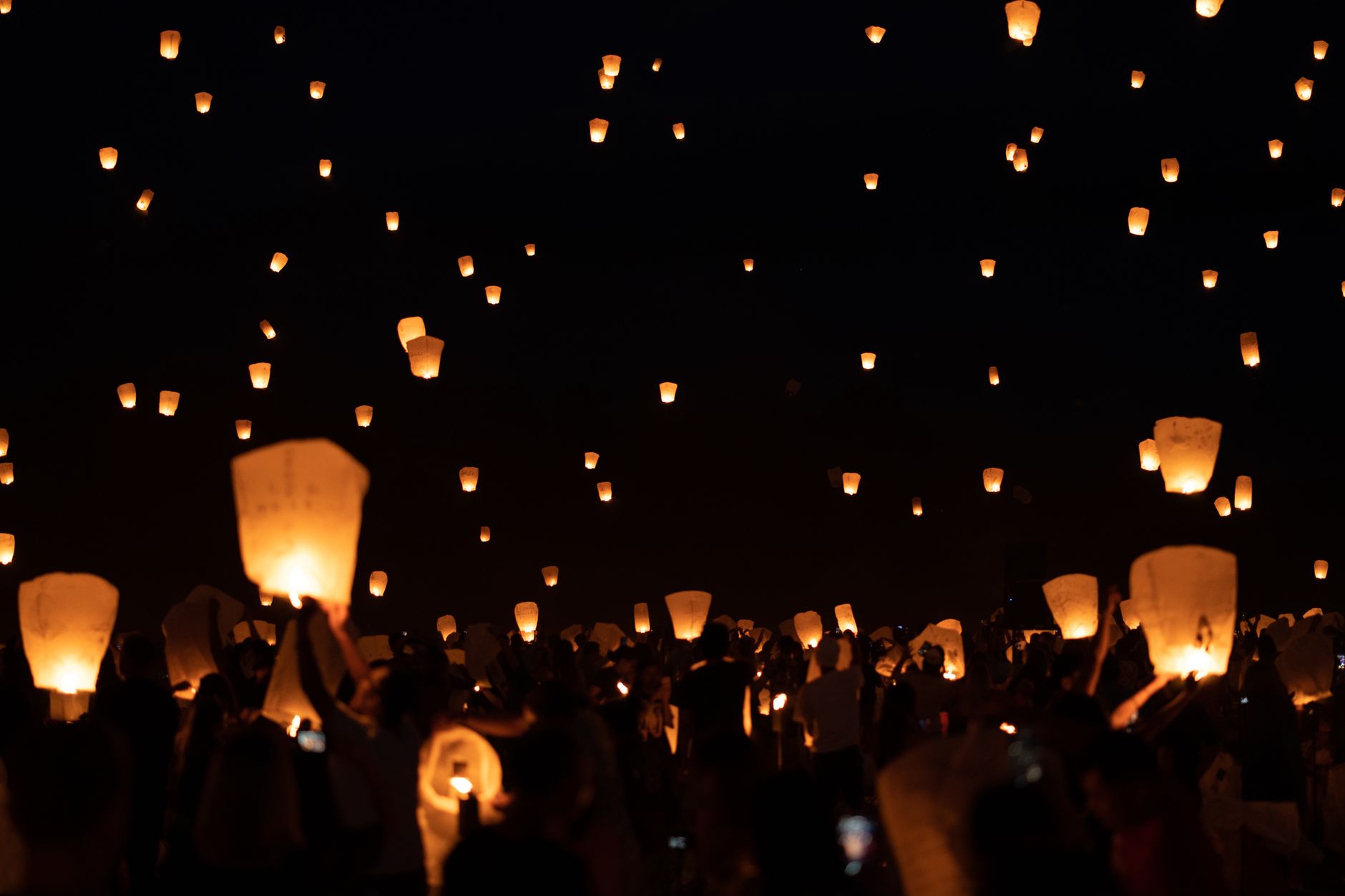
Start with the thing most articles get wrong: Yi Peng and Loy Krathong are not the same festival. Yi Peng is the northern Lanna tradition of releasing khom loi — rice-paper sky lanterns lifted by a small flame — into the night sky. Loy Krathong is the Thailand-wide tradition of floating a krathong, a little banana-leaf raft carrying a candle, incense, and flowers, on a river or pond. They happen to fall on the same full moon of the twelfth Thai lunar month, and Chiang Mai is the one city where you get both at once: lanterns overhead, krathongs on the water, and three nights of parades, temple ceremonies, and firelight in between.
In 2026 the reported dates are 23–25 November, with the full-moon peak on Tuesday 24 November. Thai festival dates are set locally and occasionally shift, so treat those dates as reported and confirm the official schedule with the Tourism Authority of Thailand (TAT) closer to the time before locking anything expensive.
The nights, as a visitor actually experiences them
The festival builds rather than starts. In the days beforehand, the old city changes texture: paper lanterns in yellow, orange, and jewel tones go up over temple gates and guesthouse doorways, vendors appear on corners selling krathongs assembled from banana leaf and marigold, and the moat that rings the old city picks up strings of light along its full length.
The first evening, 23 November on the reported schedule, is the opening ceremony and the gentlest of the three. Tha Phae Gate — the restored brick gate on the east side of the old city — becomes the festival's front porch, with a stage, traditional dance, and the first lantern displays. It's the night to wander: temple courtyards glow with candles, monks chant evening prayers, and the crowds, while real, are still navigable.
The full-moon night of 24 November is the one on the posters. As dark falls, people carry krathongs down to the Ping River east of the old city and set them on the water — the surface fills with hundreds of small flames drifting downstream. Overhead, khom loi rise from riverbanks, bridges, and open ground, unevenly at first and then in waves, until the sky holds constellations of drifting orange lights. The Nawarat Bridge area and the riverside east of Tha Phae Gate are the classic vantage points; arrive well before 8pm if you want space at a railing. This is also the night of the grand krathong parade — large illuminated floats moving from Tha Phae Gate through the old city, with drummers and dancers in Lanna dress.
The third night winds down with another parade and the last of the releases. By the next morning, the city is sweeping up — which is worth saying plainly, because it's part of the honest picture: thousands of spent lanterns and krathongs come down in streets, fields, and the river, and the morning after is a genuine litter problem that the city spends days clearing. If you release anything, the more responsible choice is a krathong made of banana leaf and flowers (fully biodegradable) rather than one with foam or plastic pins, and a lantern released only where and when officials permit it.
Free public festival vs. the ticketed mass releases
Everything described above is free and public. You do not need a ticket to watch the parades, float a krathong, stand on a bridge over the Ping, or walk the temple courtyards.
What you may see advertised — often with the exact photos that made you want to come — are the mass-release events held outside the city: ticketed evenings where thousands of lanterns go up simultaneously on a countdown. Be clear-eyed about what these are. They are commercial productions staged primarily for visitors, tickets commonly run from around a hundred dollars to several hundred per person, and they are not the traditional festival — they're an event built around the festival's imagery. Some travelers find the synchronized release genuinely spectacular and worth the money; others come away feeling they paid a premium to be bussed to a field. If your budget is finite, the free festival in the city is the real thing, and the full-moon night over the Ping River delivers plenty.
The practical warnings nobody should skip
Hotels sell out months ahead. Chiang Mai's old city and riverside fill up faster for this week than for any other point in the year, and rates climb steeply as November approaches. A traveler deciding now, in September, about a late-November trip is deciding at roughly the last comfortable moment — waiting until October usually means paying more for a worse location.
Flights get disrupted. Because sky lanterns are a hazard to aircraft, lantern releases are restricted near the airport, and airlines routinely cancel or reschedule evening flights in and out of Chiang Mai during the festival window. Build slack into your itinerary: don't plan a tight same-day connection out of Chiang Mai on or right after the full moon, and expect schedule-change emails from your airline for that week.
The old city is packed. The full-moon night around Tha Phae Gate and the river is shoulder-to-shoulder. Getting a taxi or ride-hail late that evening is slow; most people simply walk. If crowds wear you down, the first evening offers most of the atmosphere at a fraction of the density.
Follow the rules on releases. Lanterns are permitted only in designated zones and hours, which the city announces close to the date. Fires and injuries happen every year with careless releases; buy from vendors in sanctioned areas and follow the posted timing.
Timing a longer Thailand trip around it
If the festival is the reason for a November trip, it makes sense as the anchor rather than the whole itinerary — Chiang Mai rewards daytime attention too, from Doi Suthep above the city to the food that makes the north a destination in its own right. Travelers who want the trip organized around them have an option here: Asia Bound's Thailand Culinary Journey — 11 days through Bangkok, Ayutthaya, and Chiang Mai, from $2,399 per person land only (on sale at $2,085 through Oct 15) — spends its northern days in exactly the right city, so a departure that places you in Chiang Mai in late November puts the festival on your doorstep. To be direct about what that does and doesn't mean: the tour itself doesn't include festival events or tickets — the festival is simply happening in the city around you, free and public, in the evenings. Check the departure calendar against the reported 23–25 November dates, and confirm the festival schedule with TAT before you commit.
For a wider look at how the tours compare, the guide to choosing a Thailand tour operator and the blog cover the rest of the planning picture.
One festival, two traditions, three nights — and if the timing works, one of the more memorable skies you'll ever stand under.