The Fascinating History of Thailand's Longtail Boats
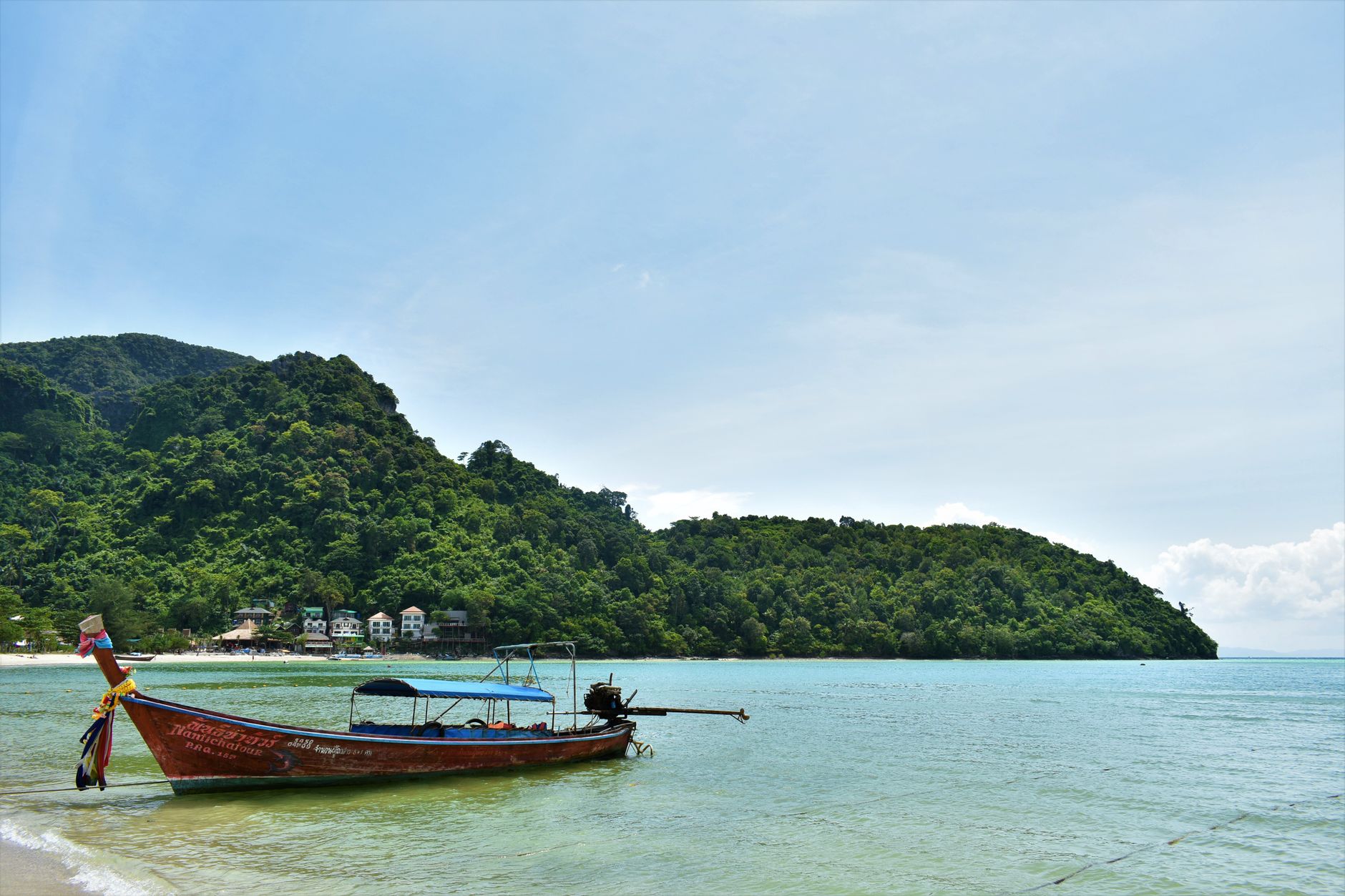
Few machines say "Thailand" as instantly as the longtail boat. The slim wooden hull, the ribboned prow, the roar of an engine that looks borrowed from a pickup truck — swinging a propeller on a pole twice the boat's width — it is the country's unofficial second emblem, photographed against limestone karsts in the south and temple spires in Bangkok alike. Yet the longtail as travelers know it is barely older than commercial air travel. Its story runs from royal barge processions to war-surplus engines to the island-hopping fleets of Krabi, and it rewards a closer look. Here are seven chapters in the history of the rua hang yao — the "long-tailed boat" — and where you can still step aboard one today.
1. Before the engine: a kingdom that moved by water
For most of Thai history, boats were not one way to get around — they were the way. Ayutthaya, the Siamese capital from the 14th to the 18th century, was an island city laced with canals, and early European visitors wrote home comparing it to Venice. Bangkok inherited the habit: into the early 20th century the capital had more canals (khlongs) than roads, and houses, markets and temples all faced the water. The boats of that era were paddled, poled or sailed — sampans, rice barges, and the gilded royal barges still brought out for state processions. The longtail's hull shape descends directly from these working canal boats: narrow, shallow-drafted, and built from local hardwood to thread waterways a larger vessel could never enter.
2. The engine that changed everything
The longtail proper was born in the decades after the Second World War, when surplus and secondhand automotive engines — truck and car blocks, later tractor and pickup engines — became cheap and plentiful across Southeast Asia. Thai boatmen worked out a brilliantly simple conversion: mount the engine on a pivot at the stern, bolt a long driveshaft straight to it, and put the propeller at the far end of that shaft. No gearbox, no fixed rudder, no expensive marine engineering. The protruding shaft gave the design its name — hang yao, "long tail" — and turned a quiet canal boat into something that could outrun nearly anything else on the river.
3. Why the design is quietly ingenious
What looks improvised is actually superbly adapted. Because the whole engine swivels, the boatman steers by swinging the tail — the propeller itself is the rudder, giving a longtail a turning circle tight enough for a crowded floating market. Because the shaft angles down into the water rather than hanging beneath the hull, the pilot can lift the propeller clear in a second to cross a sandbar, a fishing net or a mat of water hyacinth. The shallow draft lets it nose directly onto a beach, which is why no pier is needed at Krabi's island coves. And since the engine is essentially a truck engine, any mechanic in any town can fix it. It is one of the great examples of vernacular engineering: a design no naval architect drew, refined by thousands of boatmen into exactly what Thai waters require.
4. The spirit in the prow
Look at the bow of almost any longtail and you'll see lengths of colored cloth — often red, white and blue, sometimes orange or gold — knotted around the prow, frequently with a garland of marigolds and jasmine. These honor Mae Ya Nang, the guardian spirit Thai tradition holds to reside in every boat. Boat owners make offerings to her for safe passage and good earnings, renewing the garlands regularly; the custom long predates the engine and carried over seamlessly from sail and paddle to piston. It's a small, everyday instance of how Thai spiritual life travels with its vehicles — the maritime cousin of the spirit houses you'll see outside homes and hotels on land.
5. One name, many boats
"Longtail" covers a family of regional designs rather than a single model. On Bangkok's khlongs and the Chao Phraya, the boats are long, low and slim — some canal-taxi versions seat dozens in rows — built for flat water and speed. In the south, around Krabi, Phang Nga Bay and Phuket, the sea-going longtail is an altogether burlier craft: a heavier hull, higher freeboard, and that dramatically upswept prow that looks so good in photographs, all of it meant to shoulder through open-water chop between islands. River boats tend toward painted plywood and spray canopies; southern boats toward varnished timber and sun awnings. Same tail, different animals.
6. Workhorse, taxi, racehorse
The longtail has never been a tourist prop — it remains working infrastructure. In Bangkok, longtail canal taxis still carry commuters along khlongs faster than any car can cross town, and chartered longtails run visitors through the Thonburi canals past stilt houses and temple landings. At Damnoen Saduak, the famous floating market southwest of the capital, longtails and paddled sampans share the same crowded waterway. Fishing families across the south use them daily. And in many river towns, souped-up longtails race: stripped hulls with oversized engines, a loud and beloved local spectacle during festival season. The boat's biography is really Thailand's modern biography — agricultural, entrepreneurial, and faster than it looks.
7. Where travelers meet the longtail today
For visitors, two encounters stand out. The first is Bangkok, where a longtail ride through the khlongs — often paired with the Grand Palace and Wat Arun — shows you the canal city the capital used to be; Bangkok is the opening act of every Asia Bound itinerary, and the river and canals are where the city makes the most sense. The second is the Andaman coast. Out of Ao Nang in Krabi, longtails are the classic craft for the Four Islands — beaching directly on the sand at coves no jetty serves — and around Phang Nga Bay they thread between the karsts on the way to James Bond Island. The Thailand Tropical Escape (12 days / 10 nights, Bangkok › Krabi › Phuket, from $2,499 per person, land only) is built around exactly this coastline, with an independent local operator handling the boats, timings and tides so you can simply ride.
A few practical notes for your first longtail outing: the engines are loud, so sit forward if you want conversation; afternoon seas in Krabi can kick up spray, so keep cameras in a dry bag; and step aboard over the gunwale where the boatman indicates — the hulls are stabler than they look, but they are still slim. Life jackets are standard on tourist routes; wear one.
Seventy-odd years after someone first bolted a truck engine to a canal boat, the longtail is still doing what it was built for: moving people through shallow, beautiful water that nothing else can reach. Ride one up a Bangkok khlong or onto a Krabi beach and you're not having a staged "experience" — you're borrowing, for an hour, the most Thai machine there is. For how the boats fit into a fuller route, browse the rest of the blog or see how to choose a Thailand tour operator.