Why Do Thai People Celebrate New Year Three Different Ways?
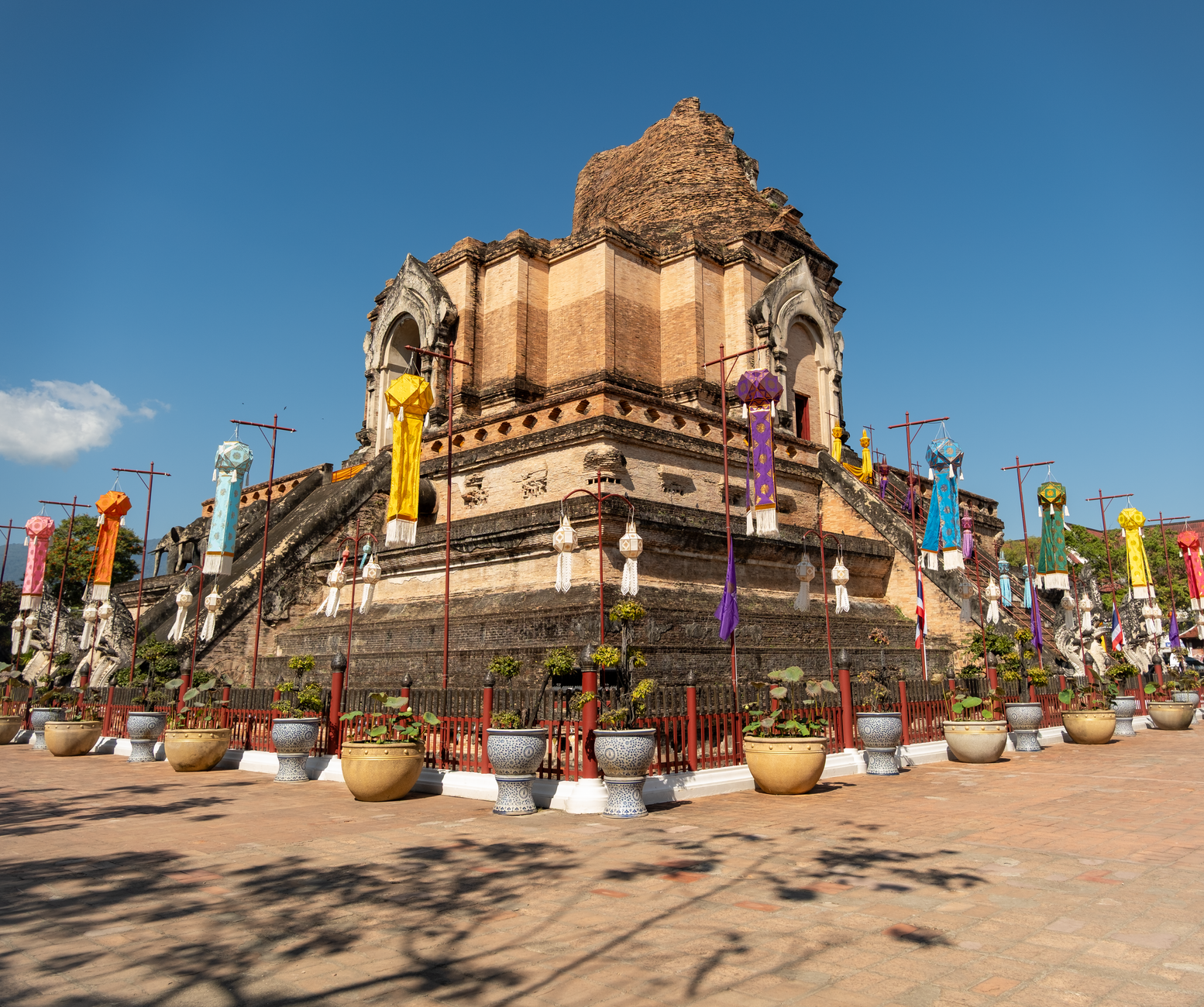
Ask a Bangkok taxi driver when the new year starts and you may get three honest answers. The fireworks over the Chao Phraya River on December 31 mark one. The red lanterns strung across Yaowarat Road in late January or February mark another. And the water fights that take over the whole country in mid-April mark the one many Thais still think of as the real thing.
None of this is confusion. Each celebration comes from a different calendar and a different layer of Thai history, and all three are still very much alive. Here's how they fit together, and what each one looks like if your trip happens to land on it.
Songkran: the traditional Thai New Year
Songkran is the oldest of the three. The name comes from the Sanskrit word sankranti, the passage of the sun from one zodiac sign into the next. Songkran marks the sun's move into Aries, the start of the solar year in the calendar Thailand shares with Myanmar, Laos and Cambodia. For centuries, this was simply New Year in Thailand.
The festival's best-known image is the water fight, but the water started as a gentle ritual. Families pour scented water over the hands of parents and grandparents, a rite called rot nam dam hua, to ask for blessings and forgiveness. At temples, people bathe Buddha images and carry sand into the courtyard to build small sand stupas, replacing the soil carried away on their feet during the year. Morning merit-making, giving food to monks, opens the day for many families.
April is the hottest month of the Thai year, and over time the ritual sprinkle grew into a nationwide soaking. In December 2023, UNESCO added Songkran in Thailand to its list of the Intangible Cultural Heritage of Humanity.
The three core days are public holidays:
- April 13: Maha Songkran, the day the old year ends
- April 14: Wan Nao, a day for family and preparing temple offerings
- April 15: Wan Thaloeng Sok, the official start of the new year
Many offices and shops close for longer, and Thais travel home to the provinces, so the days on either side are some of the busiest of the year for roads, trains and domestic flights.
January 1: the official calendar New Year
Thailand's civil New Year has moved twice. In 1889, King Chulalongkorn (Rama V) fixed the official new year at April 1, close to Songkran but on a set date. In 1941, the government of Field Marshal Plaek Phibunsongkhram moved it to January 1, in line with the international calendar.
That's the date used on Thai government documents today, though the year number on them is different. Thailand counts years in the Buddhist Era, which runs 543 years ahead of the Western calendar, so 2026 is B.E. 2569. You'll see the B.E. year on receipts, newspapers and temple signs.
The January 1 celebration looks much like it does elsewhere: countdowns, concerts and fireworks. In Bangkok, the riverside shopping complexes along the Chao Phraya and the malls of the Ratchaprasong district host the large countdown shows. The holiday usually covers December 31 and January 1, and many Thais make a temple visit to start the year with merit.
Lunar New Year: Chinese heritage in Bangkok's Chinatown
The third celebration belongs to Thailand's large Thai-Chinese community, whose families arrived over several centuries and shaped Bangkok's trade, food and architecture. Lunar New Year (Trut Jin in Thai) follows the Chinese lunisolar calendar, so its date moves each year, landing between late January and mid-February.
Bangkok's Chinatown, centered on Yaowarat Road, is where it's most visible. Shophouses hang red lanterns, gold shops do brisk trade, and families pay respects at shrines and Chinese temples such as Wat Mangkon Kamalawat. Lion and dragon dances move through the streets, and food stalls run late into the night. It isn't a nationwide public holiday, but many Thai-Chinese businesses close for a few days, and red envelopes of money (ang pao) change hands across the country.
Why all three survive
It comes down to which part of life each one serves. January 1 runs the government, banking and business calendar. Lunar New Year carries family tradition for millions of Thai-Chinese households. Songkran remains the cultural New Year that nearly every Thai family marks: the time to go home, honor elders and visit the temple.
Celebrating more than once doesn't strike most Thais as a contradiction. It fits a country where Hindu deities appear in Buddhist temple art and Chinese shrines stand near spirit houses on the same street.
Traveling during each New Year
Each celebration changes the feel of a trip in a different way.
Songkran (mid-April). Expect to get wet anywhere outdoors, including on the way to dinner. Chiang Mai has a well-known celebration around the old city moat, mixing parades and temple rituals with the water fights. In Bangkok, Silom Road and Khao San Road are the busiest soaking zones. A few tips:
- Carry your phone and passport in a waterproof pouch.
- Wear quick-dry clothes, and skip anything that turns sheer when wet.
- Don't splash monks, the elderly, babies or anyone who clearly isn't joining in.
- Book hotels and domestic transport well ahead.
Lunar New Year (late January or February). An evening in Yaowarat is the highlight: go hungry, expect crowds, and wear red if you want to blend in. Some small Chinese-run restaurants close for a few days, so check before you go.
January 1. Hotel rooms and river-view restaurants in Bangkok book up for New Year's Eve, and prices rise with demand. If you'd rather skip the crowds, the early morning of January 1 is a calm time to visit temples.
Seeing the celebrations on a small-group tour
Two of the three are easy to build into a trip. Bangkok's Chinatown is a staple of most visits to the capital, and Chiang Mai is the classic place to experience Songkran. Thailand Discovery and the Thailand Culinary Journey both include Bangkok and Chiang Mai, and the Grand Thailand Journey adds Kanchanaburi, Ayutthaya, Sukhothai, Chiang Rai and Phuket. If you're considering a mid-April departure, get in touch to talk through what the festival means for that itinerary. For more background reading, browse the rest of the blog.