Thailand for First-Time Visitors: 25 Things to Know Before You Go
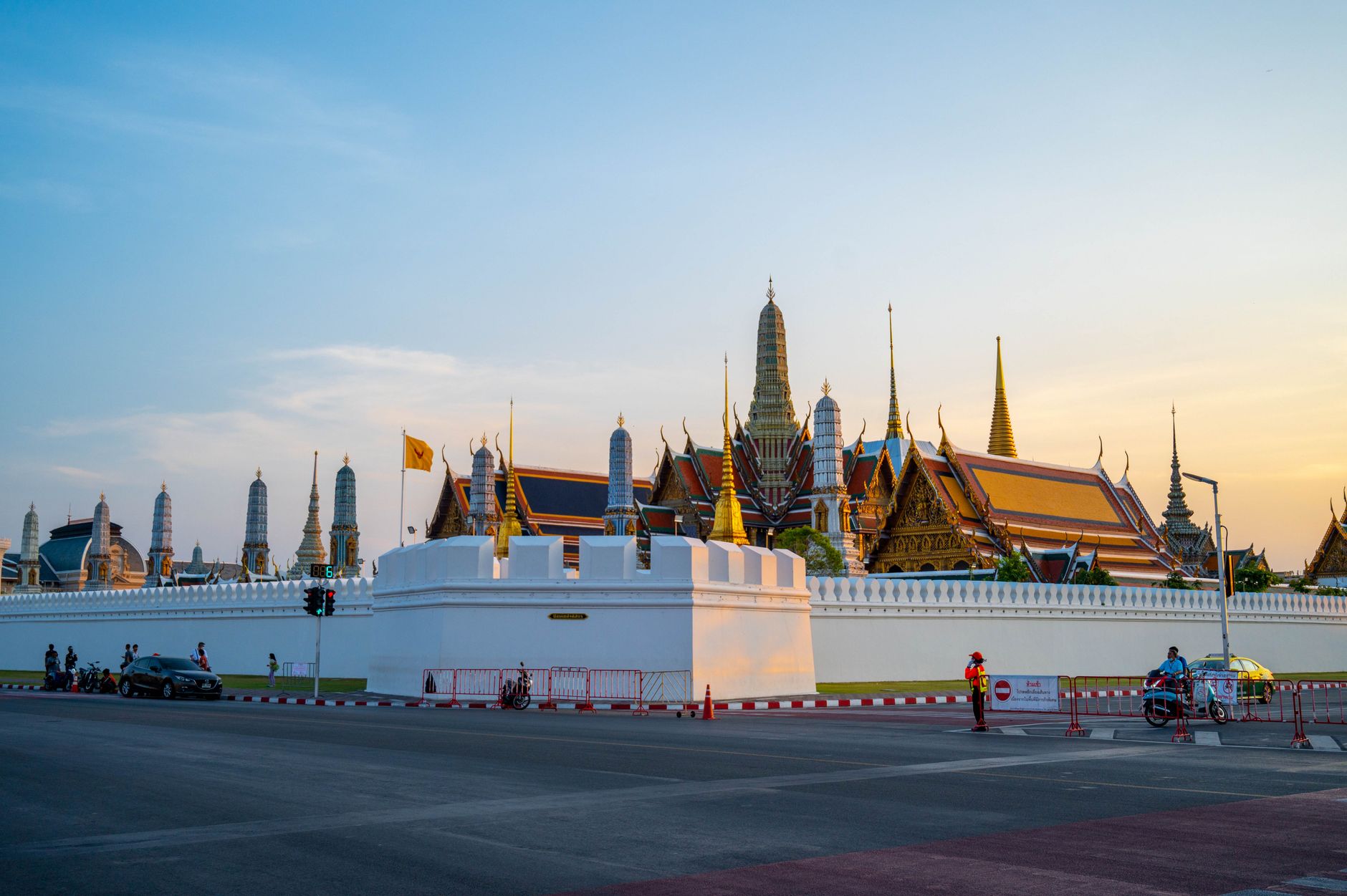
Thailand is one of the easiest countries in Asia for a first visit — English signage is common, transport is cheap, and the tourism infrastructure has been polished by decades of practice. But a handful of small things still catch first-timers off guard, from the immigration queue at Suvarnabhumi to the moment a tuk-tuk driver quotes a price that seems suspiciously friendly. Here are 25 of them, grouped so you can find what you need.
Arrival and getting around
1. Immigration is a queue, not a problem. U.S. passport holders currently enter visa-free for short tourist stays. Have your passport, an onward or return ticket, and your first hotel's name ready. The line at Bangkok's Suvarnabhumi Airport can take anywhere from ten minutes to over an hour depending on when your flight lands — build slack into your first evening.
2. Skip the airport taxi touts. Ignore anyone inside the terminal offering a "taxi." Use the official metered taxi rank on the ground floor, or better, order a Grab from the designated pickup zone.
3. Download Grab before you fly. Grab is Southeast Asia's ride-hailing app and it removes most transport friction: fixed prices, no haggling, no explaining your destination in Thai. Link a card at home so it works the moment you land.
4. Tuk-tuks are an experience, not a transport system. Ride one once, for fun, over a short distance — and agree on the price before you get in. For actually getting places, Grab or the trains are cheaper and cooler.
5. Use the BTS and MRT in Bangkok. The Skytrain (BTS) and metro (MRT) are air-conditioned, cheap, and immune to Bangkok's famous traffic. Single-journey tickets are simple; contactless cards work on the MRT.
6. Traffic runs on its own clock. A crosstown Bangkok journey can take 20 minutes or 90. Don't schedule anything tight around a road transfer, especially airport runs at rush hour.
Money
7. Thailand still runs on cash more than you'd expect. Cards are fine in malls, hotels, and bigger restaurants, but markets, street food stalls, taxis, and small shops want baht. Carry small notes — a 1,000-baht bill at a noodle cart is an awkward moment.
8. ATMs charge a fixed foreign-card fee. Most Thai ATMs add a fee of around 220 baht per withdrawal on top of whatever your bank charges. Withdraw larger amounts less often, and always choose to be charged in baht, not your home currency, when the machine offers a conversion.
9. Bargaining has a place — and a tone. Haggle in markets, never in stores with price tags. Keep it light and smiling; a 10–30% dance is normal, and walking away politely often gets the real price. Over a few baht, it's not worth anyone's afternoon.
10. Tipping is appreciated, not mandatory. Round up taxi fares, leave 20–50 baht for good casual service, and tip guides and drivers on multi-day trips if they've done well. Nobody will chase you down either way.
Temples and dress
11. Cover shoulders and knees at temples. This is enforced at major sites like Bangkok's Grand Palace and Wat Pho. Loose trousers or a long skirt plus a sleeved top solves it; a light scarf in your bag covers surprise temple stops.
12. Shoes come off constantly. Temples, homes, and plenty of small shops expect bare feet. Slip-on footwear will save you several minutes a day of lace management.
13. Feet low, head high. Feet are considered the lowest part of the body — don't point them at Buddha images or people, and never touch anyone's head. When sitting in temples, tuck your feet behind you.
14. Respect around monks and the monarchy is non-negotiable. Women shouldn't touch monks or hand them objects directly. And criticism of the royal family isn't just rude in Thailand — it's against the law. Keep commentary to yourself.
Food and water
15. Street food is safe when you choose like a local. Pick stalls with a queue and high turnover, food cooked hot in front of you, and a vendor doing one thing well. A busy grilled-chicken cart is a safer bet than a quiet buffet.
16. "A little spicy" means something different here. Phet nit noi (a little spicy) can still light you up. If you're cautious, ask for mai phet (not spicy) and add heat yourself from the condiment caddy.
17. Don't drink the tap water. Bottled and filtered water is everywhere and costs almost nothing. Ice at restaurants and established stalls is made commercially from purified water — the cylindrical ice with a hole in it is the safe tell.
18. 7-Eleven is your friend. They're on every block, air-conditioned, and stocked with cheap water, snacks, SIM cards, toiletries, and surprisingly good toasted sandwiches. You will use them daily.
Health, weather, and practicalities
19. There are three seasons, and all of them are warm. Cool season (roughly November–February) is the sweet spot. Hot season (March–May) is intense, especially in the central plains. Green season (June–October) brings afternoon downpours that usually pass within an hour or two — mornings are often clear.
20. Mosquitoes clock in at dusk. Dengue exists in Thailand, so repellent is worth the suitcase space. Apply it in the late afternoon, especially near water and in gardens. Local pharmacies sell effective repellents cheaply if you forget.
21. Toilets vary — carry tissue. Hotels and malls have Western toilets; markets, bus stops, and rural sites may have squat toilets, and paper isn't guaranteed anywhere. A pocket pack of tissues and hand sanitizer covers every scenario. The bidet sprayer next to the toilet is normal; most travelers become converts.
22. Laundry costs less than packing more. Guesthouse and street laundries wash, dry, and fold for roughly 40–60 baht per kilo, usually same-day or overnight. Pack for a week, not the whole trip.
23. Get a SIM or eSIM on arrival. Tourist SIMs from AIS, TrueMove, or Dtac are cheap, fast, and sold at airport counters and 7-Eleven. Thai plugs take both flat US-style and round European pins at 220V — most phone and laptop chargers handle the voltage fine, so you likely need nothing but your cable.
Culture, scams, and common mistakes
24. Learn two phrases and the wai. Sawasdee khrap/kha (hello) and khop khun khrap/kha (thank you) — men end with khrap, women with kha — earn instant goodwill. The wai, palms together with a slight bow, is the standard greeting; returning one is always appreciated. Losing your temper, by contrast, loses face for everyone and gets you nowhere.
25. Know the three classic scams. The "Grand Palace is closed today" stranger steering you to a gem shop; the tuk-tuk city tour for 20 baht that's really a commission circuit; and the jet-ski damage claim at the beach. The palace is almost never closed, nothing good costs 20 baht, and photograph any rental vehicle before you touch it.
The easier way to handle all of this
Every item on this list gets lighter when someone local is handling the logistics. On a small-group trip run by an independent local operator, the airport pickup is arranged, the temple dress code is flagged the night before, the street-food stops are ones the guides eat at themselves, and nobody has to argue with a tuk-tuk driver.
The Grand Thailand Journey — 15 days from Bangkok through Kanchanaburi, Ayutthaya, Sukhothai, Chiang Rai, and Chiang Mai down to Phuket, from $2,999 per person land only (on sale at $2,549 through Sept 15) — covers nearly every place mentioned in this post with local guides throughout. If you're testing the waters with less time, the 5-day Thailand Heritage Escape starts and ends in Bangkok from $499 land only.
For how to evaluate any operator before you book, see the guide to choosing a Thailand tour operator — or browse more planning posts on the blog.