Elephant Sanctuary or Elephant Camp? How to Tell the Difference in Thailand
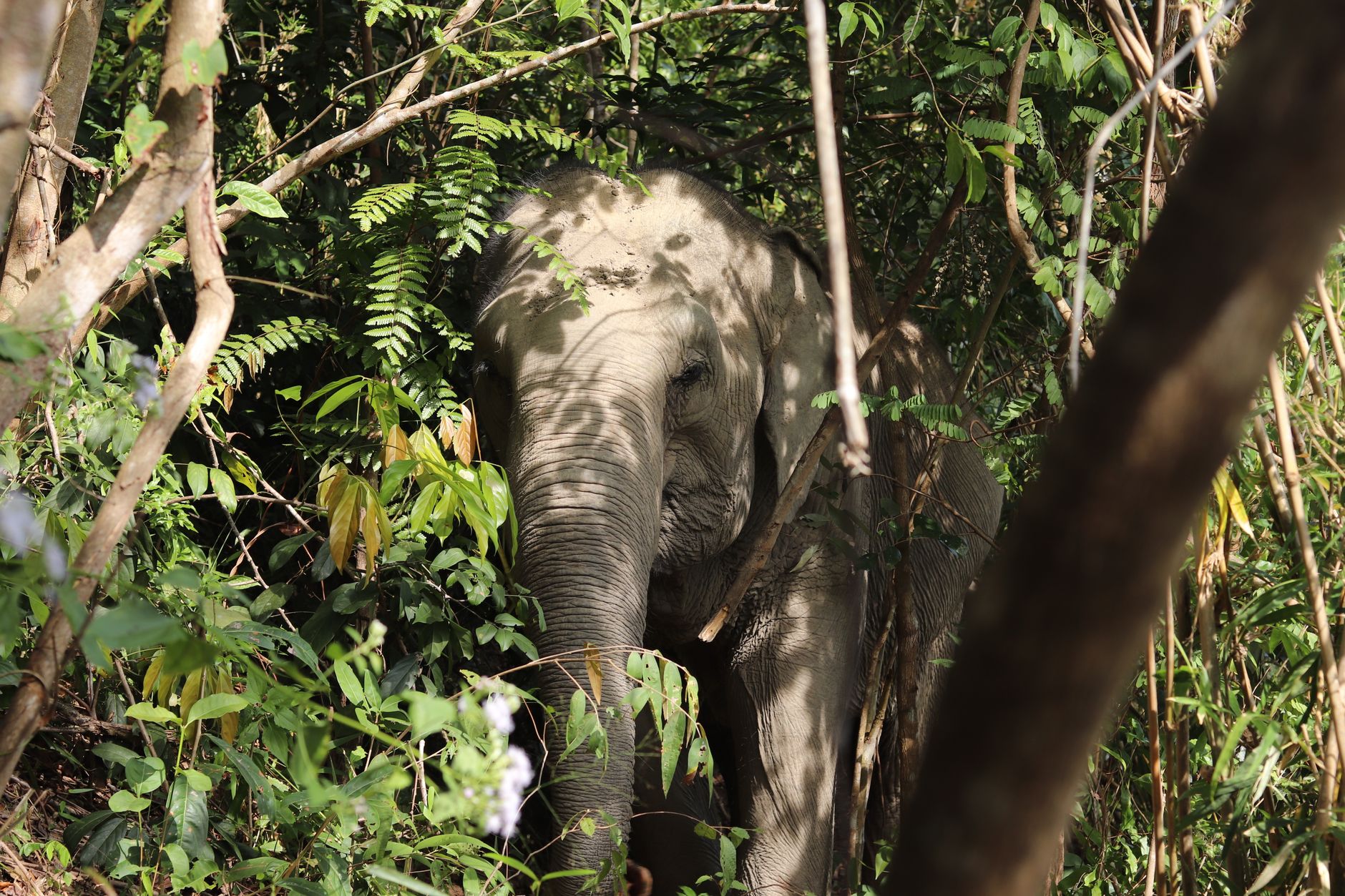
When Thailand banned commercial logging in 1989, several thousand working elephants and the mahouts who handled them lost their livelihood almost overnight. An adult Asian elephant eats 150 to 200 kilograms of vegetation a day and can live past sixty, so the animals could not simply be released or retired. Tourism absorbed most of them. That history is why, a generation later, Thailand's captive elephant population still numbers in the low thousands — broadly comparable to the number living wild in the country's forests — and why nearly every one of those animals earns its keep from visitors.
It also explains the word on the signboard. In Thailand, "sanctuary," "rescue centre," "retirement park" and "eco-camp" are marketing terms, not regulated or certified ones. No licensing body awards them and no inspection is required to use them. A venue that sells rides and runs a twice-daily show can call itself a sanctuary, and some do. Separating a genuine refuge from a rebranded camp comes down to a handful of details you can check yourself, most of them before you book.
Start with the arithmetic
Ask two numbers: how many elephants live there, and how many visitors come through in a day. The ratio tells you more than any mission statement. A place with eight elephants and two hundred guests arriving in three sittings is running a shift schedule, and the animals are the ones working it. Venues that cap numbers — a few dozen visitors across a morning, with afternoons closed — are making a choice that costs them revenue, which is itself a signal.
Ask about the herd, too. Elephants are intensely social, and a credible operation will talk about which animals have bonded, which cannot be housed together, and which are too old or too injured for close contact at all. A venue that describes its elephants only as a quantity, rather than as individuals with histories and preferences, probably manages them as inventory.
What the elephants are doing when you arrive
Riding is the clearest line. Chair saddles distribute weight badly across an elephant's spine and are used for hours at a time; bareback riding is gentler but still involves control the animal has been trained to accept. Any venue still offering either is a camp, whatever the signage says. Painting, football, trunk-stand photographs and musical performances all require the same kind of training to maintain, and belong in the same category.
Bathing is the detail that catches thoughtful travelers out, because it was the standard "ethical" activity a decade ago and it photographs beautifully. Many of the more credible venues have since stopped letting visitors into the water. The reasoning is straightforward: group after group of hands on the same animal keeps it in constant contact with strangers through the hottest hours of the day, which is close to the opposite of rest. Some places have replaced it with observation from the bank while the elephants bathe on their own schedule. If a venue has thought about this one and can explain its position, that is usually a good sign either way.
Then look at the ground. Chains at ankle length during the day, bullhooks carried openly, or a feeding station where the same animal receives bananas from one group after another all suggest a tightly managed routine rather than a herd left largely to itself.
The questions worth asking before you book
- Where did each elephant come from, and when?
- How many visitors are on site at once, and how many sessions run per day?
- Do visitors ride, bathe with, or touch the elephants?
- Can the elephants move away from people if they want to?
- Are the mahouts employed year-round, and are they paid a salary or per visitor?
- Do you breed, and if so, why?
That last pair matters more than it looks. A mahout paid per visitor has an incentive to deliver contact; one on a salary does not. And breeding in a venue that describes itself as a rescue is worth a clear explanation, because a calf is also the single most reliable way to raise ticket sales.
Where this fits into a Thailand trip
Most of this decision gets made in or around Chiang Mai, where the majority of Thailand's elephant venues cluster in the valleys west and south of the city, an hour or more from the Old Town by road. That drive is the practical constraint: a genuine half-day visit with travel either side consumes most of a day, which is worth knowing when you are sketching out how long to spend in the north. Chiang Mai anchors the second half of Thailand Discovery, 12 days and 10 nights from Bangkok through Ayutthaya and Sukhothai to Chiang Mai and Chiang Rai, from $2,199 per person, land only.
Whichever way you arrange it, treat the venue's own language as the least informative thing about it. The useful evidence is in the numbers, the daily schedule and the willingness to answer an awkward question directly — and operators who have spent years on the ground in the north tend to have opinions about which places pass that test. If you are weighing how much of your trip to give the north in the first place, what makes northern Thai culture different from Bangkok is a useful companion to this one, and the Thailand nobody posts on Instagram covers more of the gap between the marketed version of a trip and the real hours in it.